10 White Street | NYC
Cast Iron, Brittleness, and the Discipline of Repair
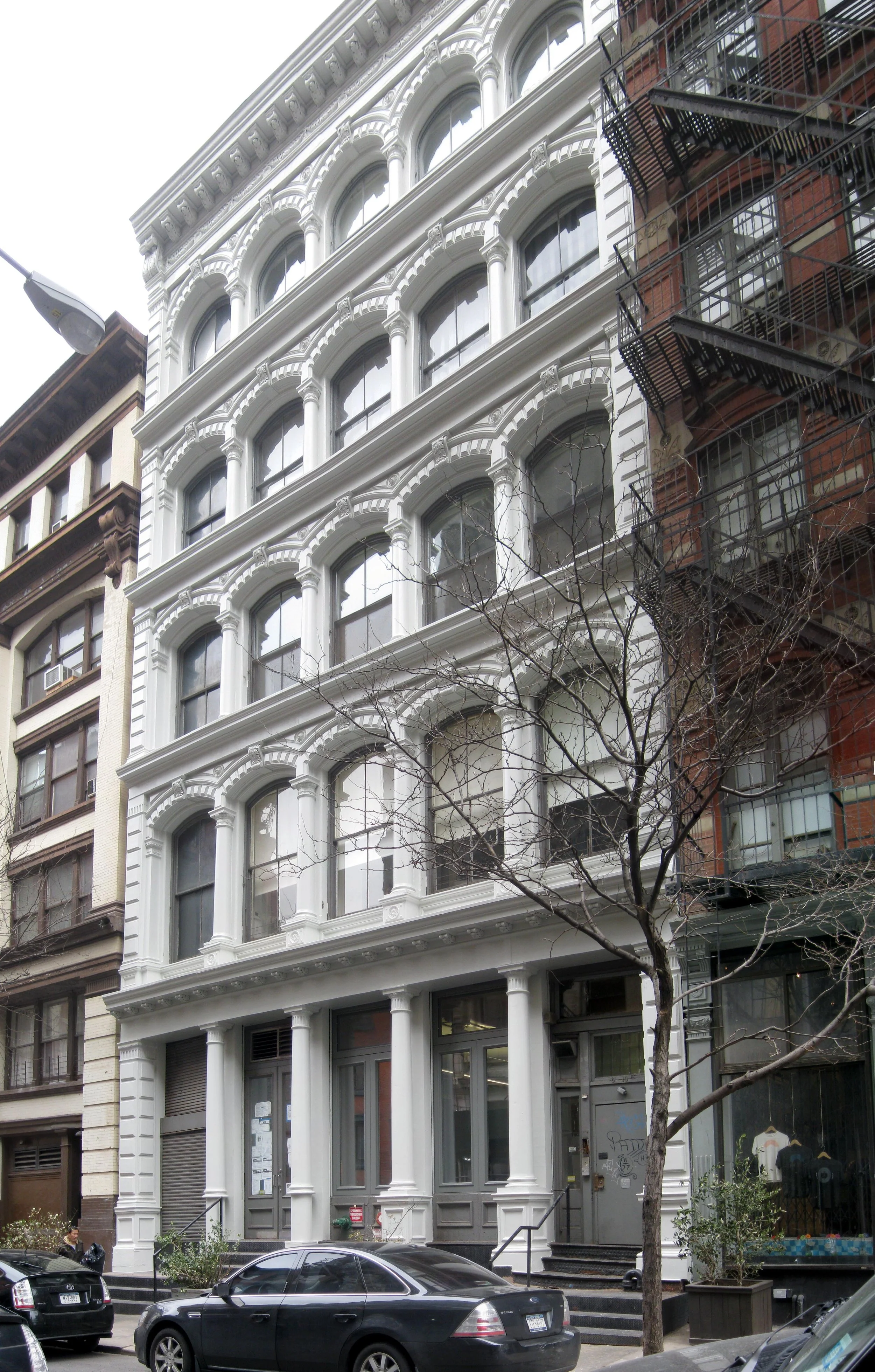
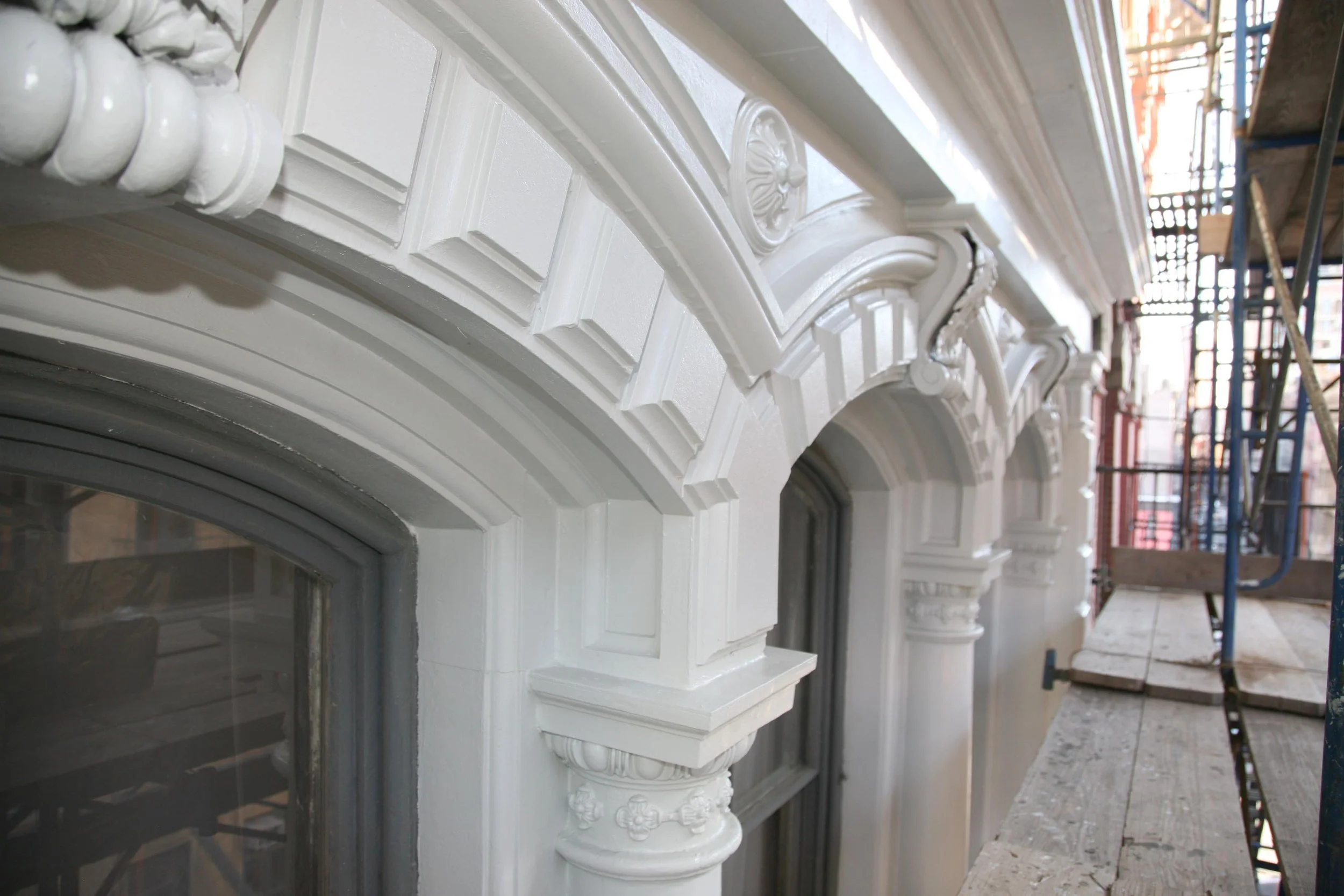
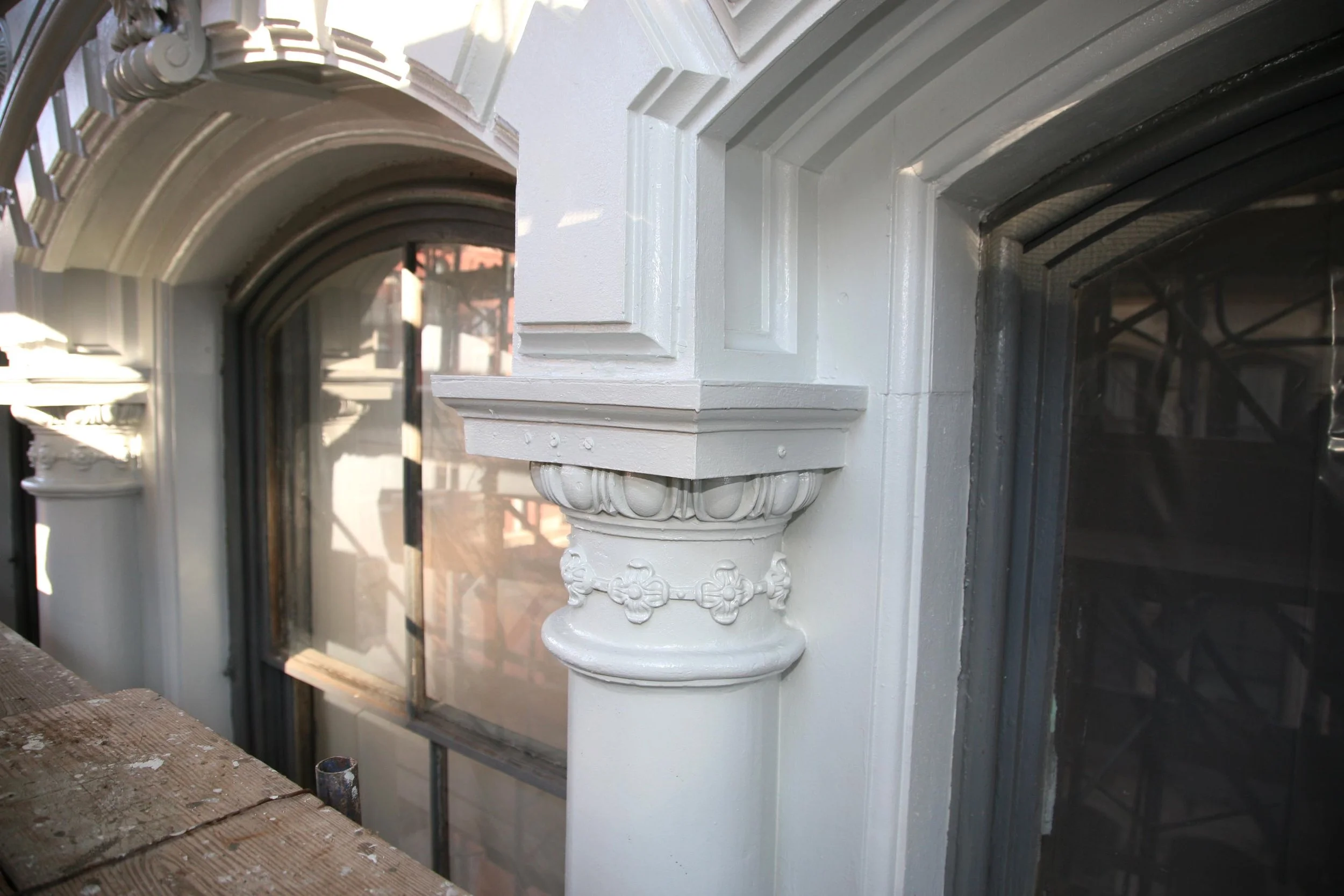
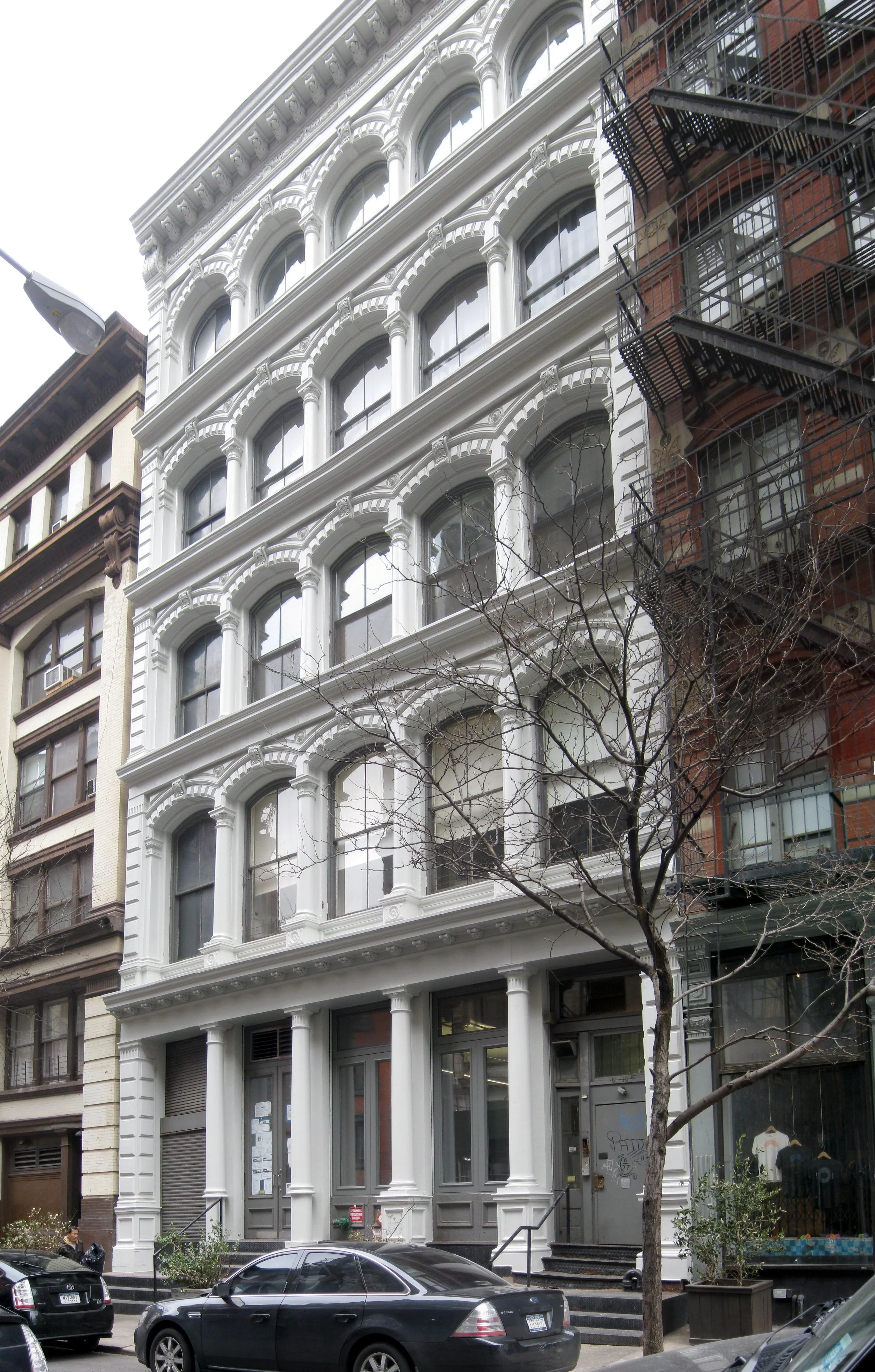
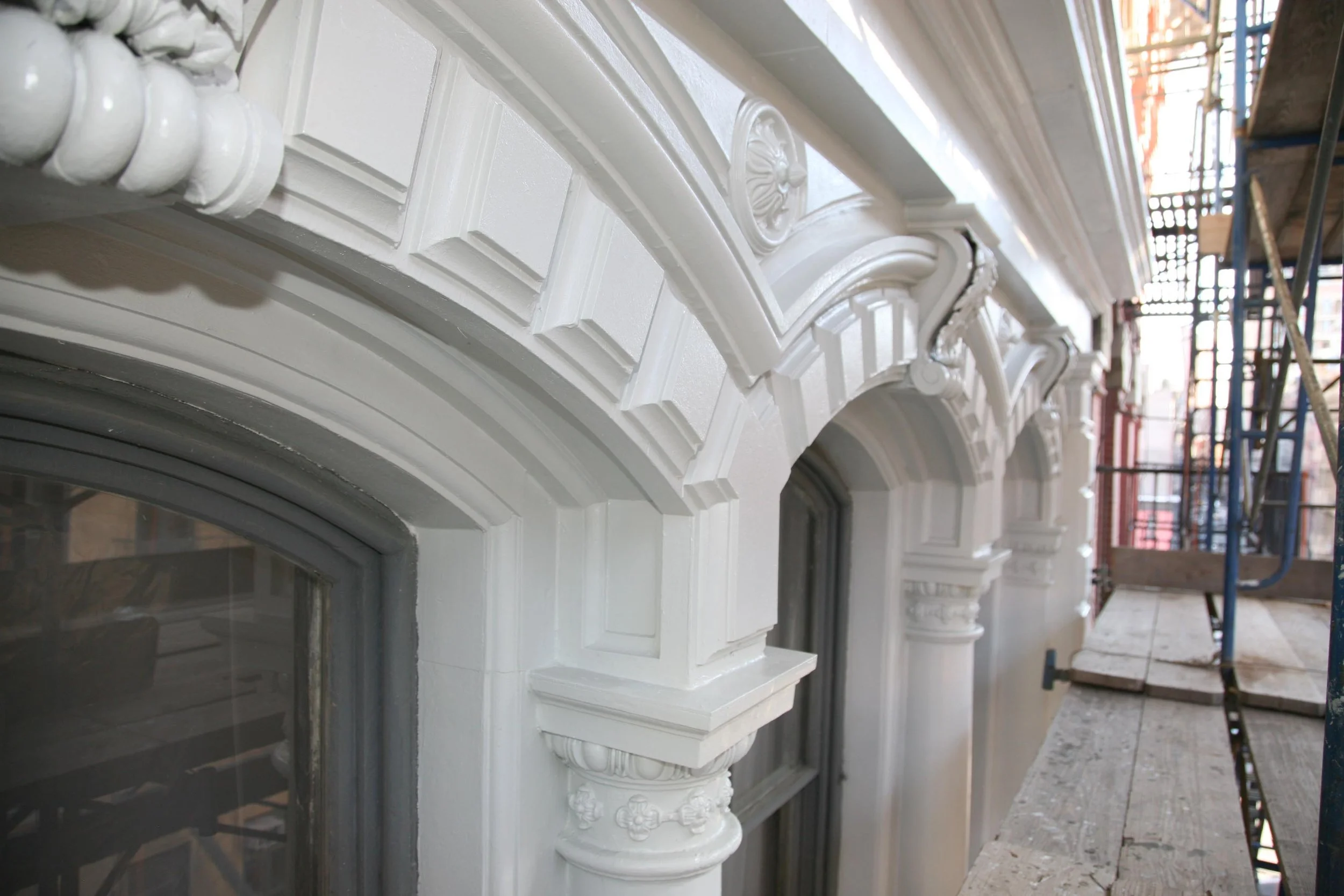
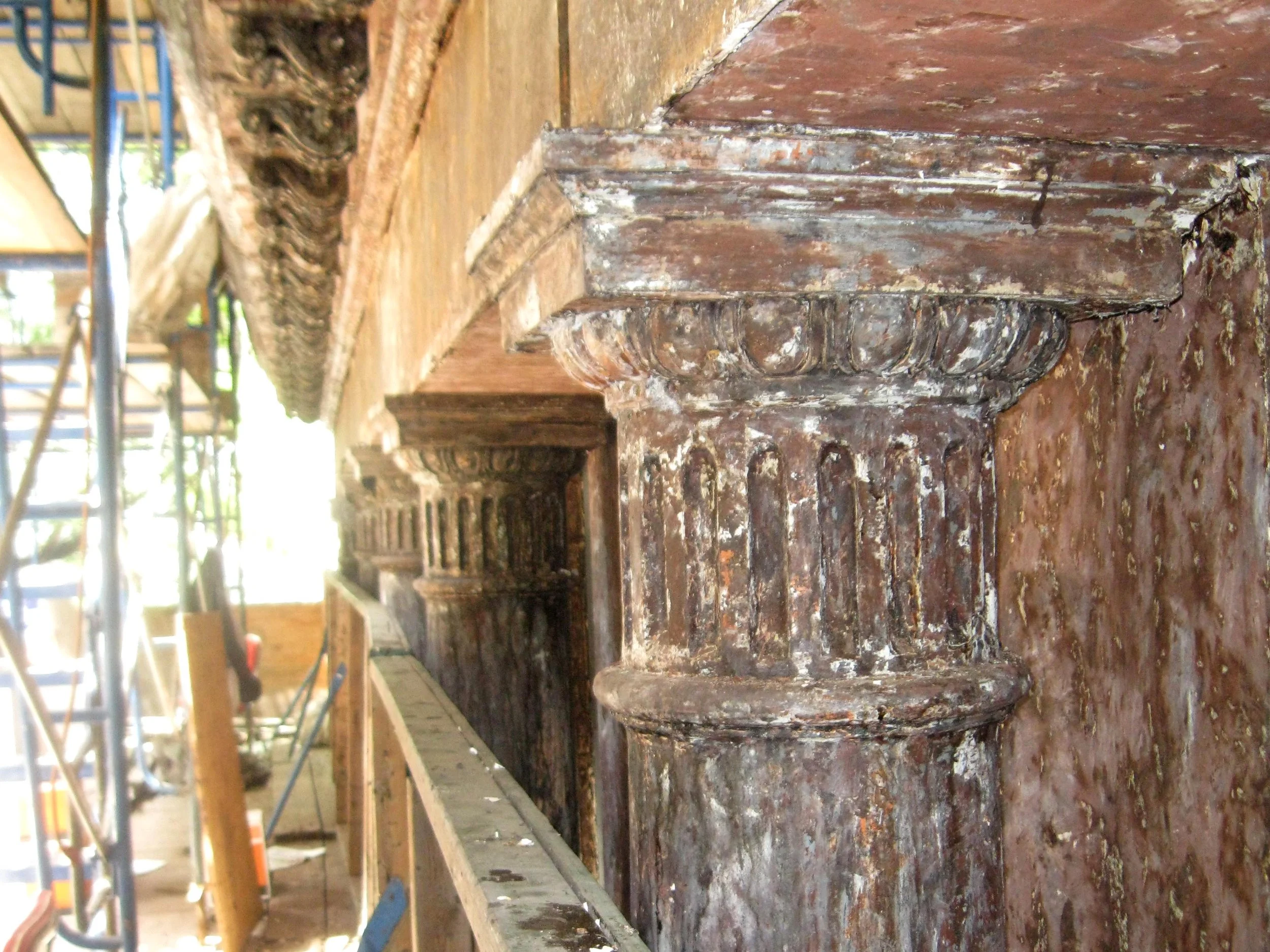
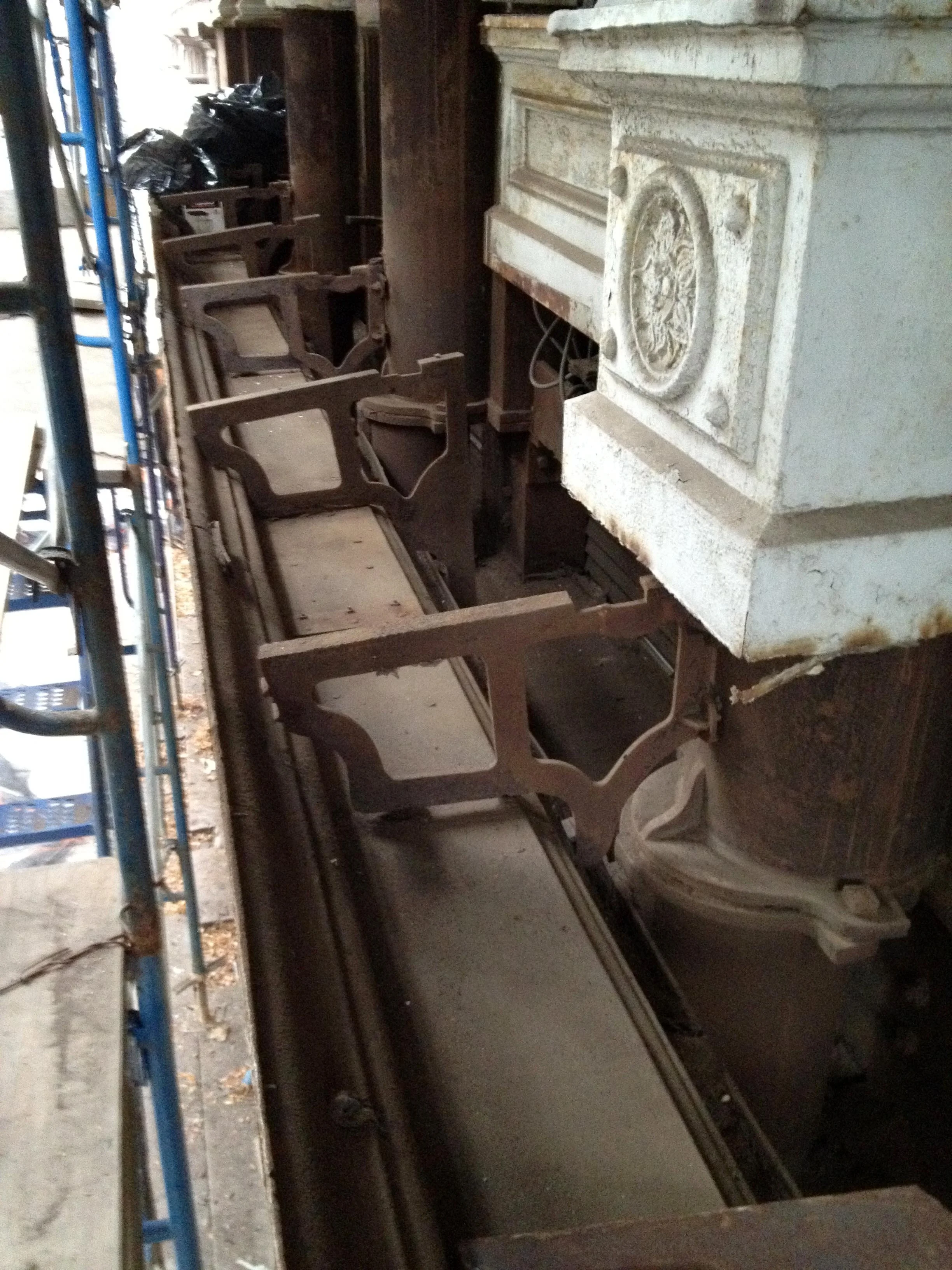
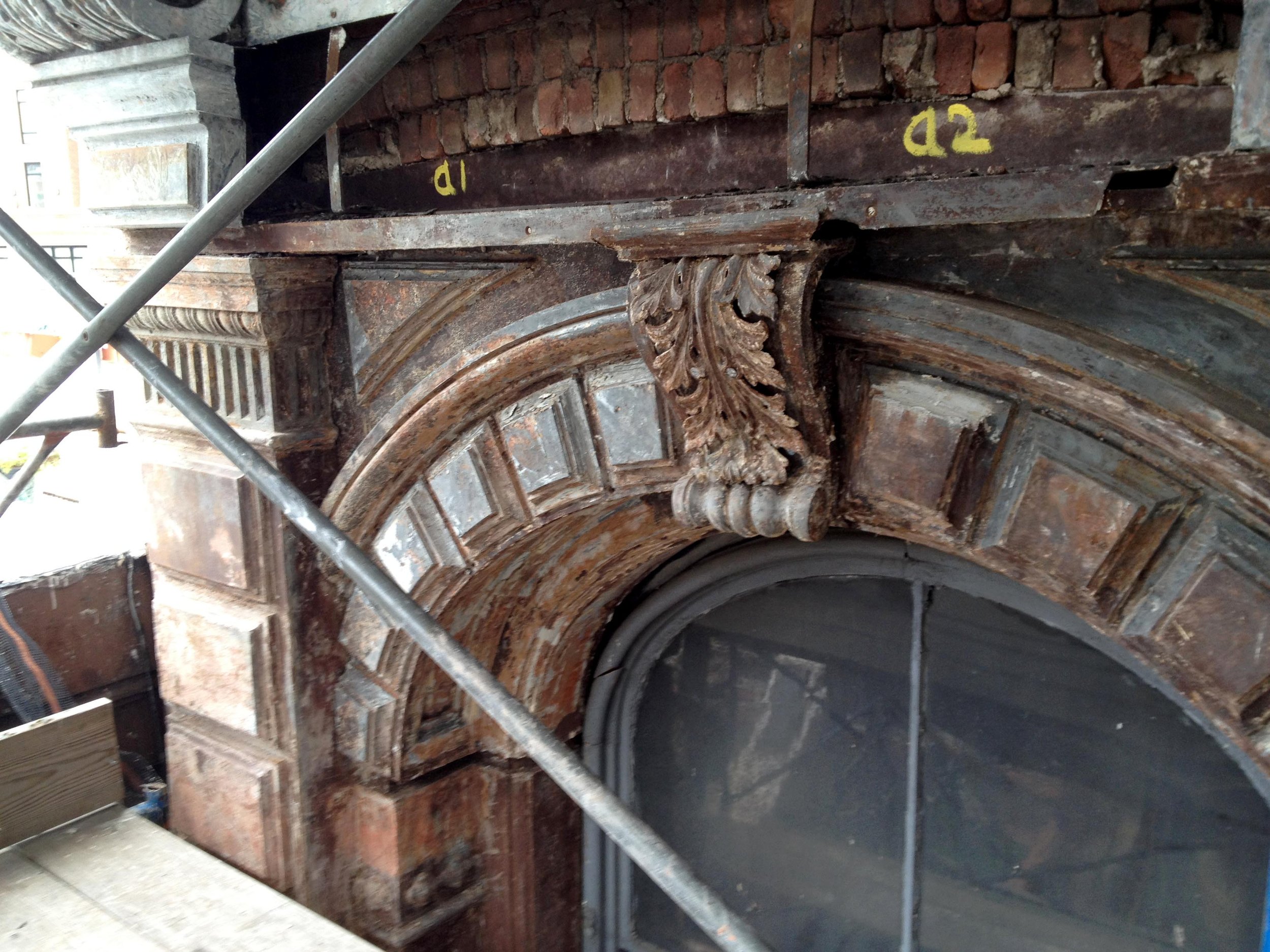
Our team was engaged at 10 White Street to investigate, disassemble, repair, and reconstruct a historic cast iron façade as part of a comprehensive exterior restoration effort. The work required not only technical execution, but a careful re-examination of how cast iron façades were originally conceived, and how they fail when treated as something they are not.
Cast iron occupies a unique and often misunderstood chapter in the history of building technology. Widely adopted in the mid-19th century, cast iron allowed for unprecedented ornamental richness, speed of construction, and repetition. Entire façades could be manufactured off-site, shipped to urban centers, and assembled with remarkable efficiency. Structurally, cast iron performed exceptionally well in compression, making it ideal for columns, spandrels, lintels, and decorative assemblies.
Yet cast iron is not steel, and it is not masonry. Its high carbon content, typically between 2 and 4 percent, gives it excellent castability and compressive strength, but also renders it brittle. Unlike steel, cast iron does not yield. It does not bend to accommodate stress. When overstressed, it cracks.
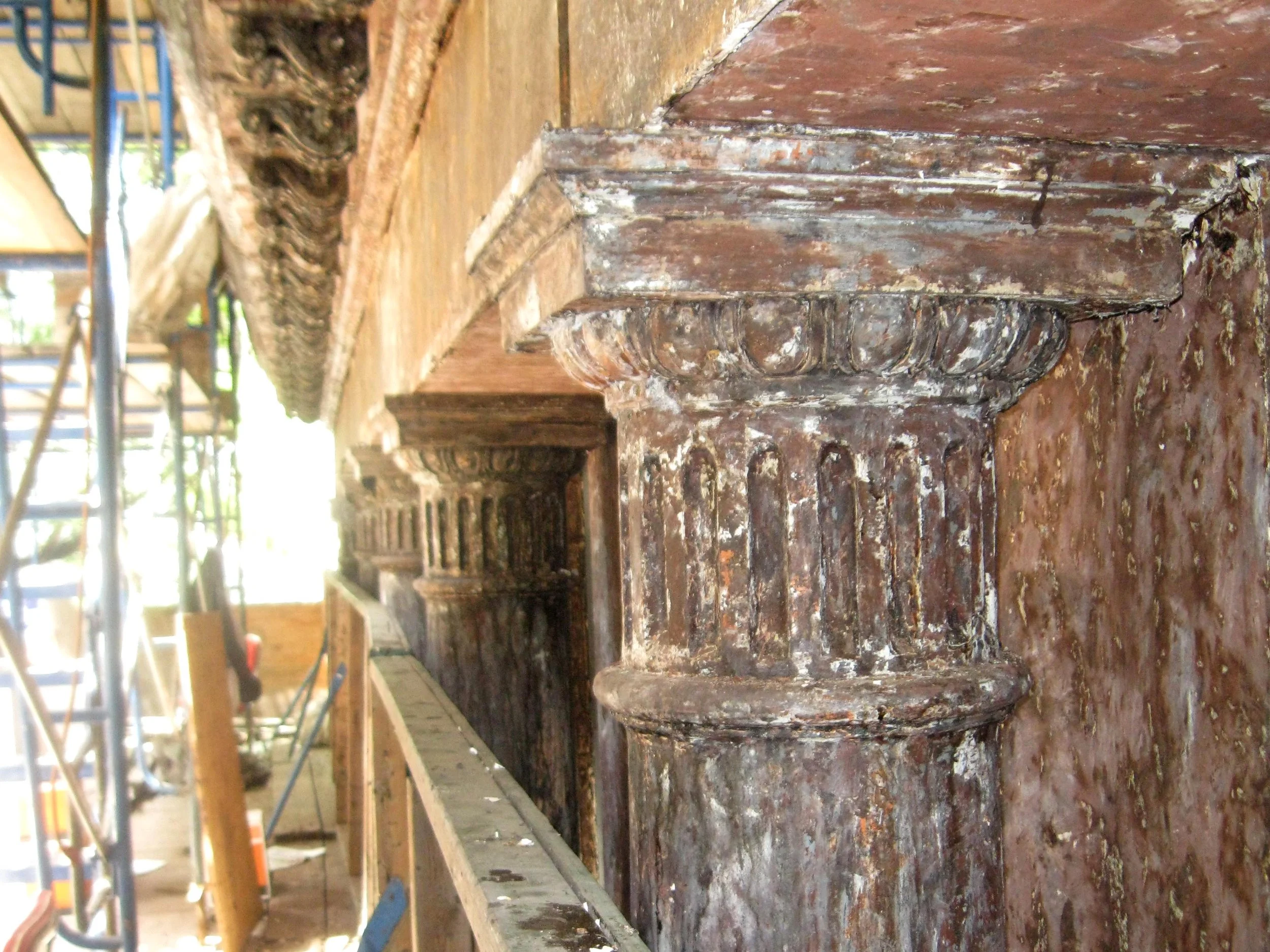
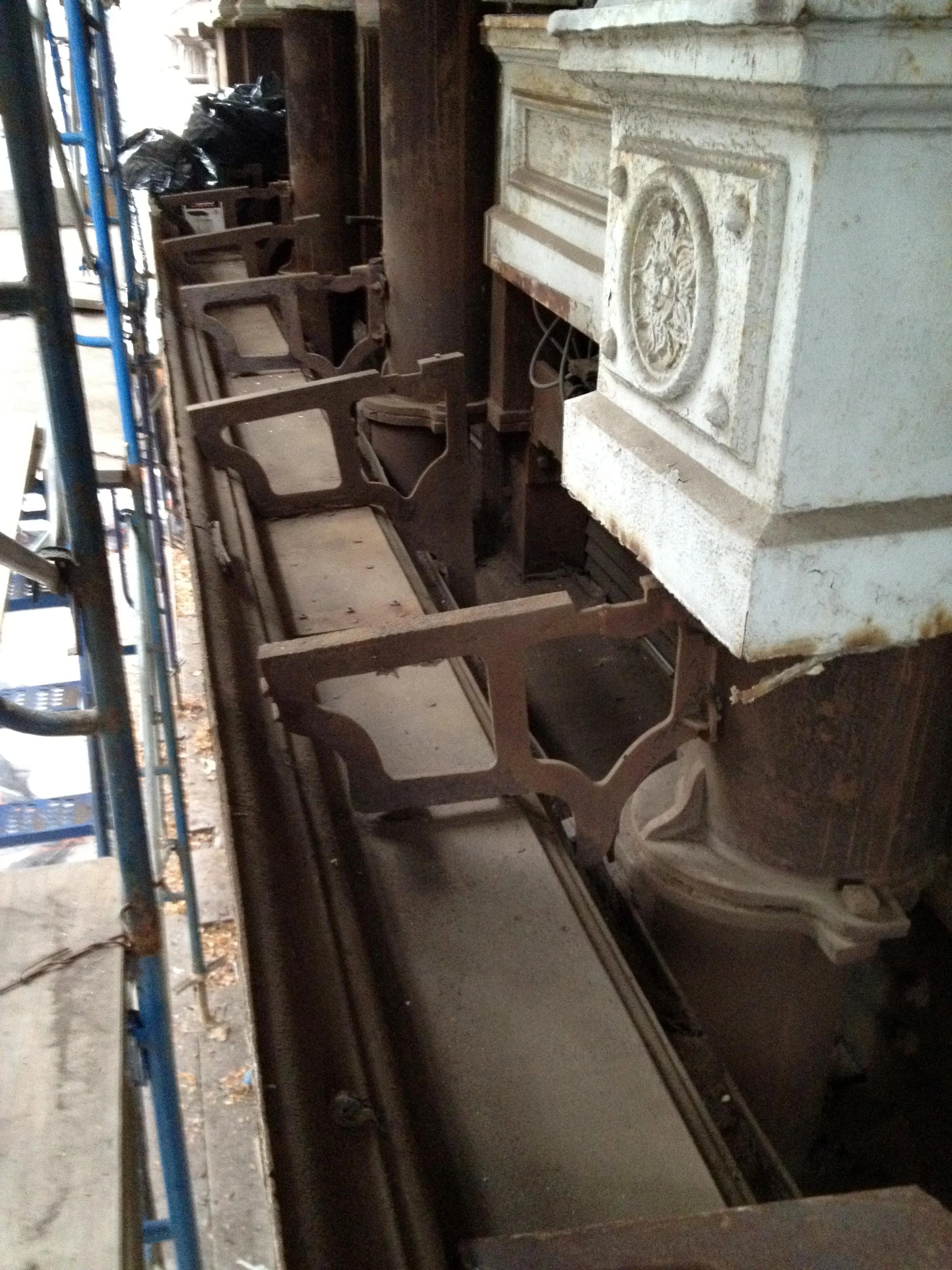
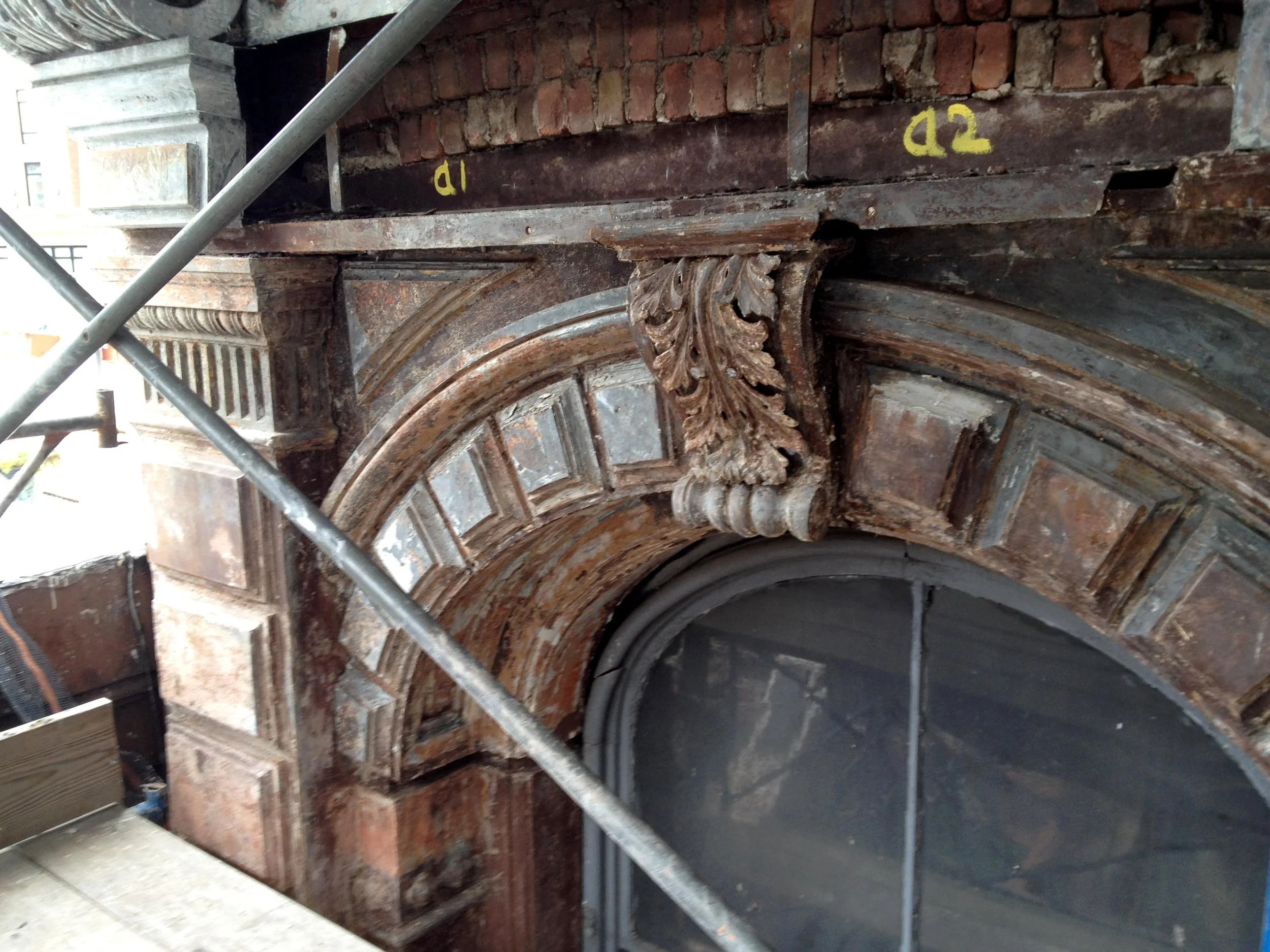
At 10 White Street, decades of environmental exposure, corrosion at concealed connections, restrained thermal movement, and incompatible prior repairs had left portions of the façade fractured and compromised. The challenge was not simply to make repairs, but to do so in a way that respected the material’s fundamental behavior.
Understanding the Material
A critical component is distinguishing cast iron from other materials. Wrought iron, with its fibrous structure and very low carbon content, generally below 0.1 percent, bends before it breaks. Mild steel, with modest carbon content, typically upwards of 0.25 percent, and predictable ductility, yields and redistributes stress. Cast iron does neither. It behaves elastically until it fails, often without warning.
This distinction is not academic. Many failures in historic façades arise when cast iron is treated as if it were an early form of steel strained too rigidly, welded casually, or tied into assemblies that force it to absorb movement it cannot tolerate.
At White Street, this understanding guided every decision. The goal was not to “strengthen” the cast iron in a modern sense, but to stabilize it, reestablish continuity where possible, and ensure that repaired components were not subjected to new stress regimes.
Repairing Cast Iron
Repairing cast iron demands a level of restraint uncommon in contemporary construction. Multiple repair methodologies were evaluated based on location, loading, geometry, and exposure.
Cracked components that could be responsibly repaired were addressed using controlled welding techniques, executed only after full preheating of the affected elements. Preheating was essential. Without it, localized welding would have introduced thermal shock and residual stresses, almost guaranteeing new cracking adjacent to the repair. Preheating allows temperature gradients to be minimized, enabling the weld metal and parent material to cool together in a controlled manner.
Another repair option, not used but equally interesting, was cold stitching, which involves using mechanical pins or keys to bridge fractures without introducing heat. This can be highly effective for stabilizing decorative or lightly loaded elements. This method respects cast iron’s brittleness by avoiding thermal disturbance altogether, though it does not restore monolithic behavior.
Where components were too deteriorated to be responsibly repaired, selective replacement was undertaken using newly fabricated castings matched to the original profiles. Replacement was treated not as failure, but as a limited calibrated intervention.
Throughout the process, an equally important strategy was knowing when not to intervene. Introducing overly stiff steel reinforcement or restraining cast iron too aggressively can transfer stress rather than relieve it. In some cases, the most responsible repair was to reduce the demands placed on the material rather than forcing it to perform beyond its nature.
Reassembly and the Return of Continuity
The reconstruction of the façade was as important as the repairs themselves. Original fastening strategies were studied, deteriorated fasteners were replaced, and connections were detailed to allow for movement where movement was inevitable. The objective was not to make the façade rigid, but to allow it to behave as it was always meant to by working primarily in compression, tolerating modest movement, and remaining free of unintended restraint.
Final Thoughts
Cast iron façades occupy an uncomfortable middle ground in contemporary practice. They are historic, but industrial. Ornamental, yet structural. Too often they are repaired using instincts borrowed from steel construction or sealed like masonry, with little regard for their unique material logic.
Successful repair begins with understanding how a material wants to behave. Cast iron does not forgive misunderstanding. It demands precision, patience, and humility.
Original Construction: Mid-Late 19th Century (circa 1870)
Construction Type: Cast iron facade with masonry backup
Landmark Status: Tribeca West Historic District
Category: Material Science / Building Technology
Our Scope: Cast Iron Facade Investigation, Repair, and Reconstruction